
From there, net income is adjusted for non-cash expenses, most notably depreciation and amortization (D&A) and the change in the working capital line items to measure the real cash impact in the period. Here’s a step-by-step guide on how to prepare one, with an example for better understanding. With so many financial records to consult, calculating retained earnings can get confusing fast. To ensure you get your numbers right next time you calculate retained earnings, here are three expert-led best practices. For example, let’s say you’re preparing a statement for a business development SaaS called Vertgrowth Solutions.
Retained Earnings vs. Cash on Hand
A statement of retained earnings is a crucial financial document that reveals how much profit your company keeps for reinvestment after paying dividends. Once dividends have been paid out, a company’s net profits or earnings are known as retained earnings. An essential idea in accounting, “retained” conveys the idea that the corporation kept those earnings rather than paying dividends to income statement shareholders. By subtracting the cash and stock dividends from the net income, the formula calculates the profits a company has retained at the end of the period.
- The process involves more than just adding and subtracting numbers, it requires a deep understanding of a company’s financial health and its ability to reinvest profits for growth.
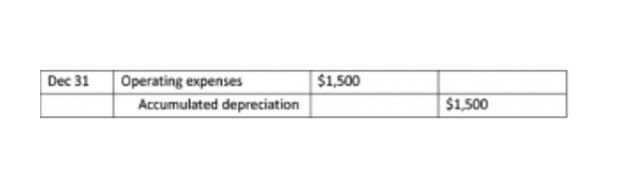
- The real cash outlay, Capex, already occurred and was recognized in the cash from investing section (CFI) in the period of occurrence.
- Therefore, retained earnings will be larger for the tech firm than for the T-shirt maker.
- The expanded statement of stockholders’ equity is presented in a subsequent chapter.
- Watch CFI’s live video demonstration of linking the statements together in Excel.
- The statement of retained earnings is also known as the retained earnings statement, the statement of shareholders’ equity, the statement of owners’ equity, and the equity statement.
Example 2: Dividends Payment

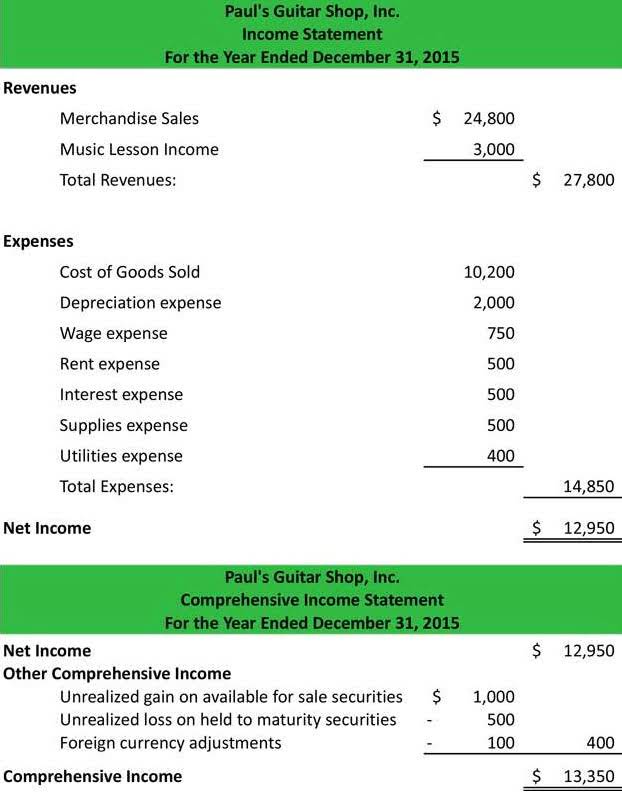
The income statement shows the performance of the business throughout each retained earnings statement period, displaying sales revenue at the very top. The statement then deducts the cost of goods sold (COGS) to find gross profit. Also, it can be used by investors to compare companies in similar kinds of business.
Retained Earnings: Definition, Formula and Examples

Gross income was $100,000, and after subtracting taxes, interests, and cost of goods sold, the net income amounts to $50,000. Payments made to executives and shareholders and mark the dividends up to $10,000. Shareholders equity—also stockholders’ equity—is important if you are selling your business, or planning to bring on new investors. In that case, they’ll look at your stockholders’ equity in order to measure your company’s worth.

They go up whenever your company earns a profit, and down every time you withdraw some of those profits in the form of dividend payouts. Companies can reinvest their retained earnings in several ways, such as purchasing Accounting Security new equipment, investing in research and development, or increasing their marketing budget. They show how healthy a company’s finances are and can help it stay stable and grow.